








Read a Track Record Like a Forensic Accountant
Look for outliers around news events, unusual weekend gaps, or suspiciously perfect fills. Compare reported trades with exchange timestamps. Inspect rolling drawdowns, win‑loss distribution, and exposure heatmaps. Authentic records look alive, with imperfections and context. If something seems magical, escalate skepticism, request more detail, and pause allocations until questions receive satisfactory answers.

Test Capacity, Liquidity, and Copyability
A brilliant microcap strategy may collapse under follower flow. Estimate capacity using average daily volume, typical position size, and expected copy adoption. Evaluate borrow availability and slippage across brokers. Prefer leaders who discuss capacity candidly and adjust risk at scale. Copyability matters as much as edge quality when real money follows instructions.
Ongoing Monitoring and Exit Rules
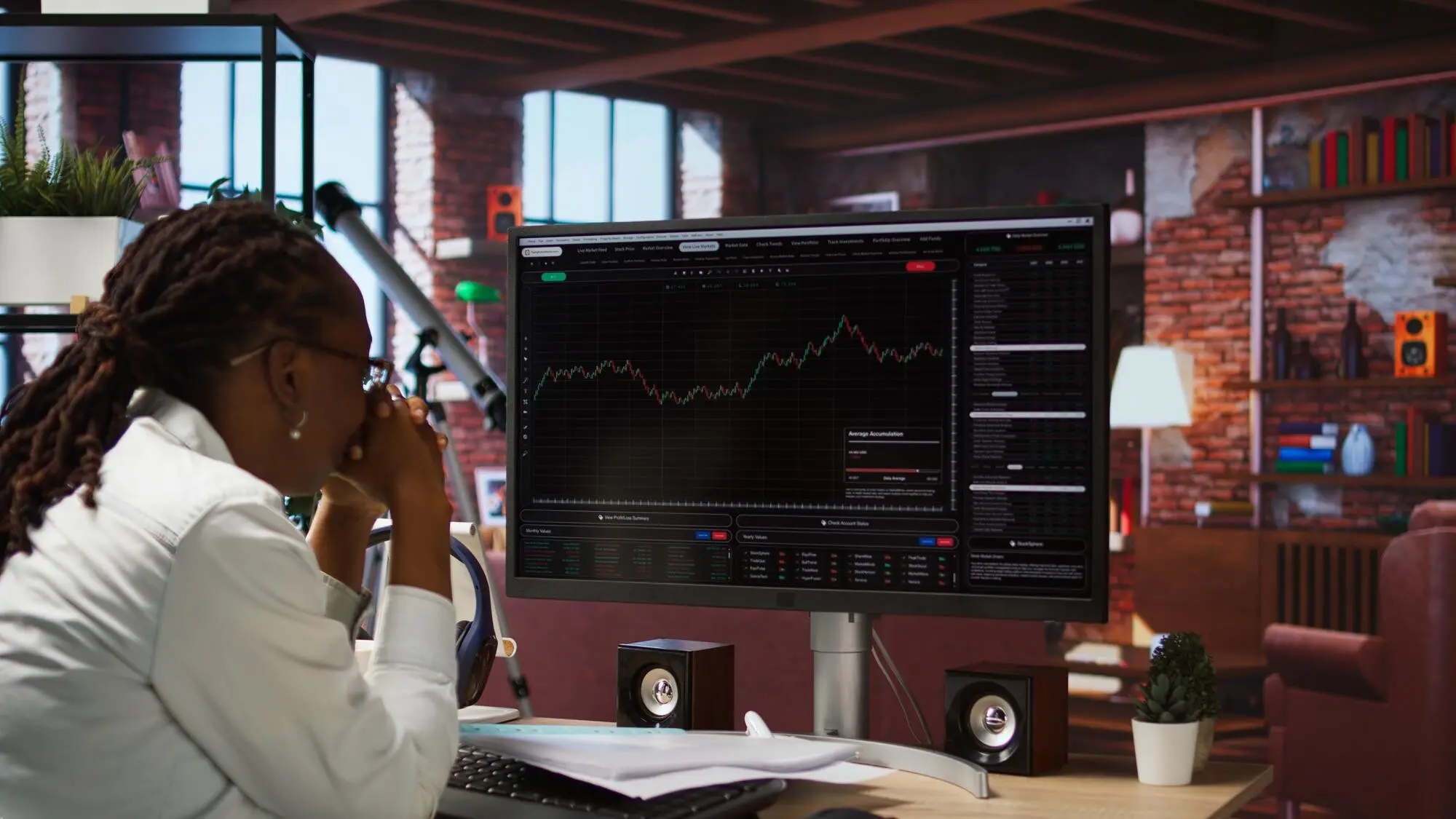
Write objective triggers for scaling down or leaving: drawdown thresholds, behavior drift, missed communications, or new conflicts. Automate alerts for metric breaches. Conduct monthly reviews against your investment policy statement. Exits executed calmly preserve optionality and respect partners. Share post‑exit notes, because documenting reasoning today helps your future self and educates the community.